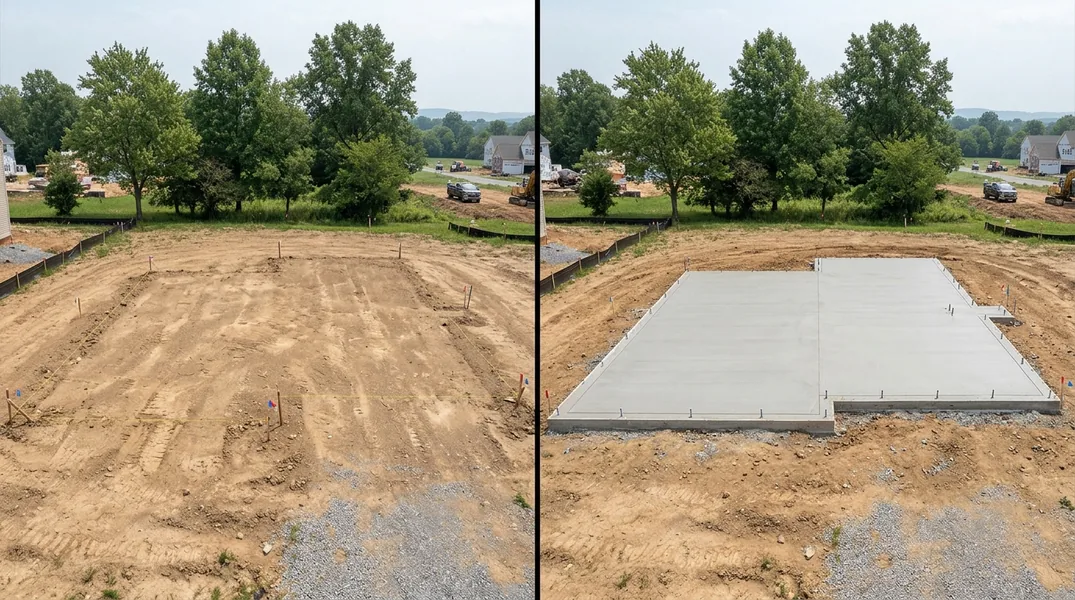
Understanding Foundation Slabs in New Construction
When you're purchasing a new home in Allentown or the surrounding Lehigh Valley, the foundation slab is one of the most critical structural elements you'll inherit. Unlike older homes with basements or crawl spaces, many newer builds rely on concrete slab-on-grade foundations, which means the concrete sits directly on prepared soil. This construction method is popular with builders because it's cost-effective and works well in our regional climate, but it also means you need to understand what you're looking at before you sign closing papers.
A properly constructed new construction concrete slab should last decades with minimal issues. However, poor installation, inadequate site preparation, or material shortcuts can lead to expensive problems down the road. Cracks, settling, moisture intrusion, and heaving are all potential issues that stem from foundation problems. As a homebuyer in the Lehigh Valley, you have the right and responsibility to thoroughly inspect the slab before closing. This article walks you through the key questions to ask your builder and the red flags you should never ignore.
What Questions Should You Ask Your Builder About the Foundation?
Before your final walkthrough, sit down with your builder's representative and ask specific, detailed questions about how the slab was constructed. Start by asking about site preparation. A quality foundation begins with proper grading and compaction of the soil beneath the concrete. Ask whether a geotechnical engineer evaluated the soil, what type of fill material was used, and how it was compacted. In areas like Bethlehem and Emmaus, where soil conditions can vary, this step is especially important.
Next, inquire about the concrete mix design and thickness. Ask what PSI (pounds per square inch) rating the concrete meets, what the slab thickness is, and whether reinforcement like rebar or wire mesh was installed. Request documentation showing that concrete was properly cured and that testing was done to verify strength. You should also ask about moisture barriers. A vapor barrier or moisture retarder beneath the slab is essential in our humid climate to prevent moisture from wicking up into your home. Finally, ask about any cracks that appeared during or immediately after construction. Minor hairline cracks are normal, but larger cracks or patterns warrant investigation.
Red Flags During Your Pre-Closing Inspection
Walk the entire perimeter and interior of the slab with a critical eye. Look for cracks wider than one-eighth inch, especially if they run diagonally or form patterns. A single hairline crack might be cosmetic, but multiple cracks or cracks that are actively growing suggest structural movement or settling. Check for areas where the slab appears to slope or settle unevenly. You can do a simple visual check by looking along the surface from different angles. If you notice water pooling or evidence of moisture staining near the foundation edge, this indicates poor drainage or moisture barrier failure.
Pay attention to the perimeter where the slab meets the foundation wall. Gaps, separation, or visible cracks along this joint are concerning and may indicate movement or poor construction technique. Also look for efflorescence, a white, chalky substance that appears when water moves through concrete and carries salts to the surface. While not always a sign of immediate danger, it does indicate moisture movement. If the builder has applied sealant or patching material to cracks, ask why. Cosmetic repairs might hide underlying problems. Finally, check the garage slab carefully. Garages experience more stress from vehicle weight and temperature fluctuations, so they're prone to cracking if not properly reinforced.
Understanding Moisture and Drainage Issues
Moisture problems are among the most expensive issues homeowners face with concrete slabs, and they're often invisible until significant damage has occurred. The Lehigh Valley's climate means we experience freeze-thaw cycles and significant precipitation, both of which stress concrete. A properly installed moisture barrier should separate the soil from the concrete, and the slab should be sloped away from the home's perimeter to direct water away. During your inspection, confirm that grading around the foundation slopes away from the house. If water pools against the foundation or if the ground is level or slopes toward the home, you have a drainage problem that needs correction before you close.
Ask the builder for documentation that a vapor barrier was installed and what type it is. Modern standards typically call for a 6-mil polyethylene sheet or equivalent. If the builder cannot provide this documentation, it's a red flag. You might also ask about perimeter drain systems or sump pump installation if the lot has poor drainage characteristics. In some cases, especially if the home is in a lower-lying area of Easton or similar regions, additional drainage measures may have been necessary. Don't accept vague answers. Get specific information and, if needed, hire an independent inspector to verify moisture protection measures.
When to Call a Professional Inspector
While you can spot obvious problems yourself, hiring a professional home inspector with structural expertise is a wise investment. A structural engineer or experienced home inspector can identify subtle signs of settling, inadequate reinforcement, or construction defects that an untrained eye might miss. They have tools to measure slab elevation and detect movement patterns. If you notice any of the red flags mentioned above, or if something simply doesn't feel right, don't hesitate to request a professional evaluation. Most builders will cooperate with third-party inspections, and if they resist, that's itself a warning sign.
If the inspection reveals significant issues, you have options. You can request that the builder make repairs before closing, ask for a credit toward repairs, or in some cases, walk away from the purchase if defects are severe enough. Having professional documentation of problems strengthens your negotiating position considerably. The cost of an inspection, typically $300 to $500, is minimal compared to the potential cost of repairing a failing foundation after you've closed. If you need guidance on foundation concerns or want to discuss Concrete Repair & Resurfacing options for future maintenance, the team at Allentown Concrete Pros can provide expert advice. Feel free to contact us at (610) 439-9742 for a consultation.
What Happens After Closing: Long-Term Slab Maintenance
Once you own the home, your responsibility for the slab doesn't end. Proper maintenance extends the life of your foundation and helps you catch problems early. Keep the perimeter well-maintained with proper grading and drainage. Ensure gutters and downspouts direct water at least four to six feet away from the foundation. Avoid parking heavy vehicles or equipment in the same spot repeatedly, as this concentrates stress on the concrete. If you notice new cracks developing or water seeping into the basement or crawl space, address these promptly rather than waiting.
Minor cracks can be sealed with concrete caulk to prevent water infiltration. More significant issues may require professional attention. If you ever need to repair or maintain your concrete slab or other concrete features around your property, Allentown Concrete Pros serves homeowners throughout the region. Whether you're dealing with a damaged slab or planning future projects like Concrete Driveways or Concrete Patios, we're here to help. Call us at (610) 439-9742 or request a free estimate to discuss your concrete needs.
Looking for a professional concrete contractor in Allentown? Allentown Concrete Pros responds fast for all your concrete needs.
Get a Free QuoteOur services: Concrete Driveways · Concrete Patios · Stamped & Decorative Concrete