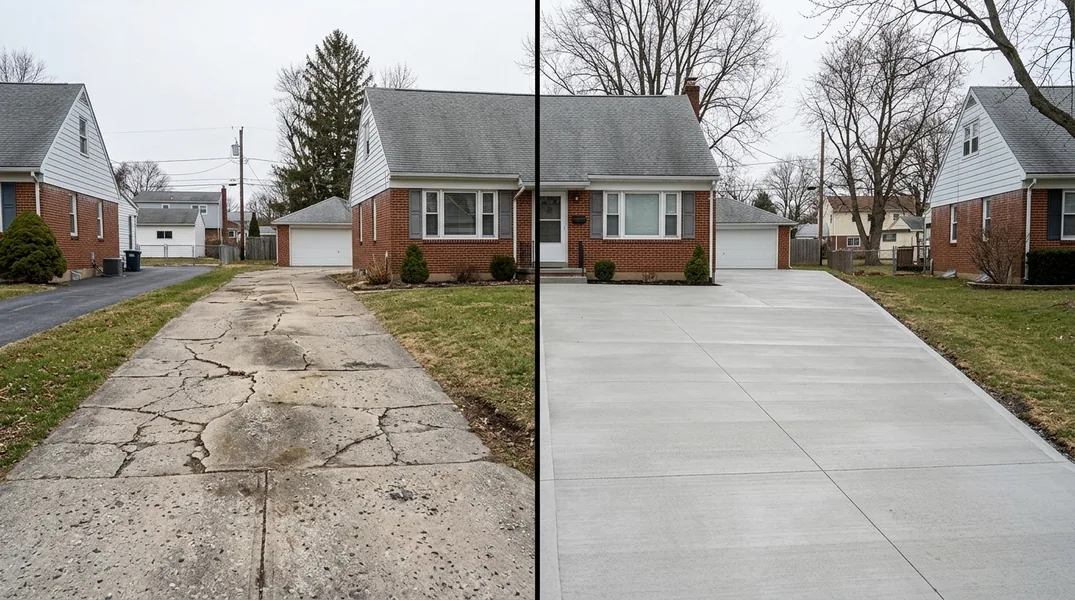
Why Timing Matters When Pouring Concrete in Allentown
If you're planning a Concrete Driveways project in Allentown, you might think any time is a good time to pour. The reality is far different. Concrete is a living material during its curing process, and environmental conditions play a crucial role in how well it sets and performs over the years. Temperature, humidity, and weather patterns directly affect the chemical reaction that hardens concrete, which means the season you choose can mean the difference between a durable surface that lasts decades and one prone to cracking and deterioration.
Pennsylvania's climate presents unique challenges for concrete contractors. The state experiences four distinct seasons, each with its own set of complications. Spring brings unpredictable rain and temperature swings. Summer heat can cause concrete to cure too quickly and crack. Fall offers more stable conditions but a narrowing window before winter. And winter brings freezing temperatures that can compromise the entire curing process. Understanding these seasonal variations is essential for homeowners planning Concrete Patios, driveways, or other concrete projects in the region.
Spring Concrete Pouring: Opportunities and Challenges
Spring is often considered the start of concrete season in Allentown, and for good reason. As temperatures begin to warm up after winter, homeowners are eager to tackle outdoor projects. However, spring in Pennsylvania is notoriously unpredictable. Late March and April can bring sudden cold snaps, heavy rainfall, and significant temperature fluctuations within a single day. These conditions can interfere with proper concrete curing, potentially leading to weak spots, surface damage, or uneven settling.
If you do decide to pour concrete in spring, aim for late April through May when temperatures stabilize between 50 and 85 degrees Fahrenheit. This window provides more consistent conditions for curing. However, you'll need to monitor weather forecasts closely and have contingency plans in place. Rain within the first 24 to 48 hours after pouring can wash away the cement paste and weaken the surface. Working with an experienced Allentown concrete contractor who understands local weather patterns is invaluable during this season.
Summer: The Peak Season for Concrete Work
Summer, particularly June through August, is widely considered the best time to pour concrete in Pennsylvania. During these months, temperatures consistently remain above 50 degrees Fahrenheit, and the risk of unexpected freezing is virtually eliminated. The longer daylight hours also allow contractors to complete projects more efficiently and monitor curing conditions more closely. For homeowners in Allentown planning major concrete projects, summer is the sweet spot.
That said, summer heat presents its own set of challenges. Extremely hot temperatures can accelerate the curing process, causing concrete to dry too quickly and potentially crack. High heat can also lead to surface scaling or crazing (fine surface cracks). To mitigate these issues, professional contractors use techniques like misting the concrete surface with water, applying curing compounds, and providing temporary shade during the hottest parts of the day. Additionally, summer is peak season for concrete work, so scheduling your project early is essential. If you're considering Stamped & Decorative Concrete or other specialized finishes, summer availability can be limited, so contact Allentown Concrete Pros at (610) 439-9742 to secure your preferred dates.
Fall Concrete Pouring: A Narrowing Window of Opportunity
Fall offers an often-overlooked advantage for concrete work. September and early October provide mild temperatures, lower humidity, and reduced risk of rain compared to spring. These conditions are actually ideal for concrete curing, as the moderate temperatures allow the material to cure slowly and evenly, resulting in stronger, more durable concrete. Many experienced contractors consider fall one of the best times to pour concrete, yet homeowners frequently overlook this season in favor of summer.
However, the fall window is narrow and closes quickly as temperatures drop. By late October and November, nighttime temperatures in Allentown begin to dip below 50 degrees Fahrenheit, which slows curing significantly and increases the risk of freeze-thaw damage during the critical early curing period. If you're planning a fall project, aim to complete pouring and initial curing before the end of October. This timing ensures your concrete reaches adequate strength before winter arrives. If you're interested in fall concrete work, reach out for a free estimate to confirm scheduling availability.
Cold Weather Concrete Curing: Why Winter Requires Special Caution
Winter is the most challenging season for pouring concrete in Pennsylvania, and many contractors avoid it altogether. Freezing temperatures prevent concrete from curing properly, as the chemical hydration process slows dramatically when temperatures drop below 50 degrees Fahrenheit. If concrete is exposed to freeze-thaw cycles before it reaches adequate strength (typically 3,500 PSI), the expanding ice within the material can cause spalling, scaling, and severe structural damage that may require Concrete Repair & Resurfacing within just a few years.
That said, winter concrete work is not impossible. Professional contractors can pour concrete in cold weather by using heated enclosures, specialized concrete mixes with accelerating admixtures, and insulation blankets to maintain proper curing temperatures. These methods are significantly more expensive than standard pouring, which is why winter projects come with higher pricing. If you absolutely must pour concrete during winter months, only work with experienced contractors who have the equipment and expertise to manage cold weather conditions safely. The risk of costly failure is simply too high for DIY or inexperienced attempts.
Planning Your Concrete Project: Best Practices and Professional Guidance
The ideal time to pour concrete in Allentown is between late May and early October, with peak conditions occurring in June, July, and early September. This window provides stable temperatures, lower precipitation risk, and optimal curing conditions. However, your specific project timeline may depend on other factors, including contractor availability, your budget, and any urgency around completing the work before winter.
When planning your concrete project, work closely with a local contractor who understands Pennsylvania's climate and seasonal challenges. They can advise you on the best timing for your specific project type, whether it's a driveway, patio, or decorative concrete work. They'll also monitor weather forecasts and adjust their techniques based on real-time conditions to ensure the best possible outcome. If you're ready to discuss your concrete project and determine the ideal timing for your needs, contact Allentown Concrete Pros today at (610) 439-9742 or request a free estimate online. Our team has years of experience with Allentown's unique seasonal conditions and will help you make the smartest decision for your home.
Looking for a professional concrete contractor in Allentown? Allentown Concrete Pros responds fast for all your concrete needs.
Get a Free QuoteOur services: Concrete Driveways · Concrete Patios · Stamped & Decorative Concrete